Introduction
In the hectic globe of health care, the duty of nurses is ever-evolving. One area that has seen significant development in importance is ventilator monitoring. As health care experts, nurses are usually the frontline caretakers in charge of making certain that patients that require breathing assistance get ideal care. This requirement has made ventilator training for nurses not simply beneficial however crucial. With a raising number of patients calling for ventilatory assistance because of various medical conditions, recognizing exactly how to manage and run ventilators properly can significantly enhance person outcomes.
In this detailed overview, we will look into the nuances of ventilation training courses, talk about different facets of respiratory tract monitoring, and discover just how specific training can equip nurses to provide remarkable person treatment. We will additionally cover critical areas such as tracheostomy and ventilator training, along with various ventilation techniques like ventilator pressure support
Essential Ventilator Training for Nurses: Enhancing Person Care
Nurses have a critical function in managing individuals on mechanical ventilation. The intricacy of ventilators and the physiological effects of their use necessitate a robust understanding among taking care of staff. By taking part in ventilation training, nurses can come to be adept at translating ventilator setups and replying to adjustments in clients' problems promptly.
Understanding Ventilators: A Newbie's Guide
What is a Ventilator?
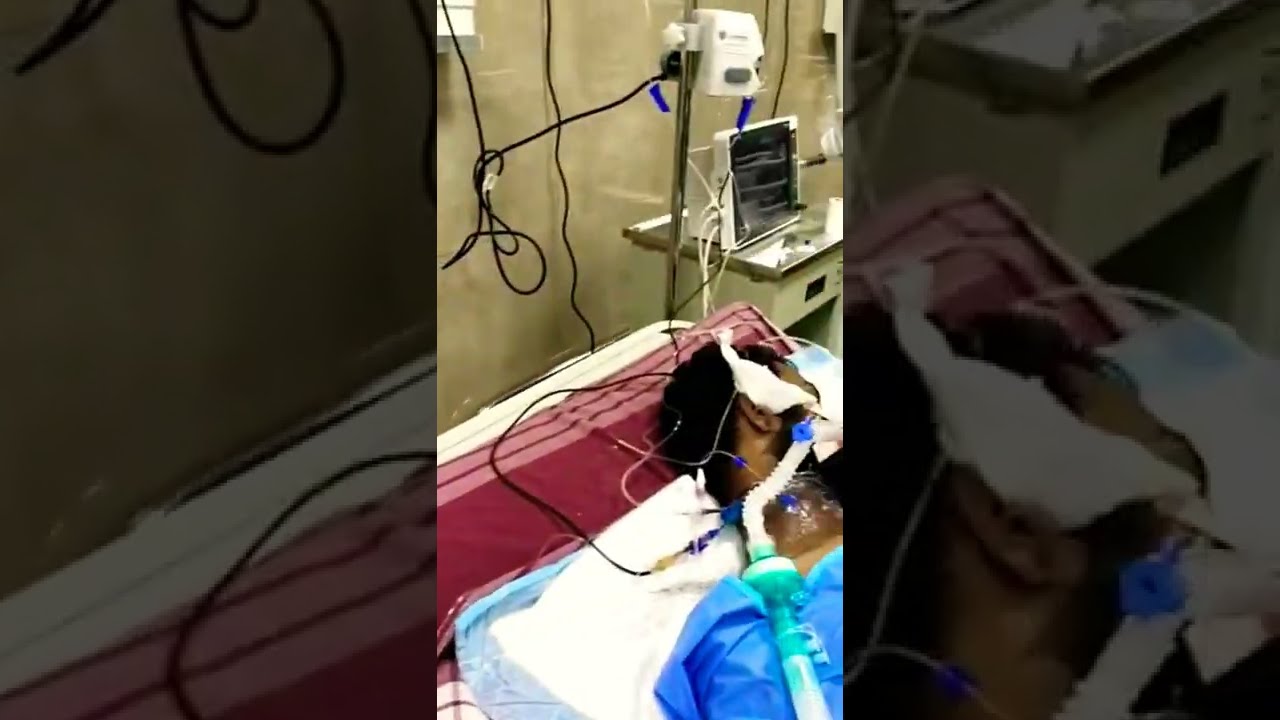
A ventilator is a mechanical tool developed to help or replace spontaneous breathing by supplying oxygen-rich air right into the lungs. It is crucial in situations where individuals can not take a breath appropriately by themselves due to different clinical conditions, including respiratory system failure or neurological impairments.
How Do Ventilators Work?
Ventilators operate with numerous modes that change airflow based on the patient's demands. Recognizing these settings-- such as Assist-Control (AIR CONDITIONING), Synchronized Periodic Obligatory Ventilation (SIMV), or Pressure Support Ventilation (PSV)-- is crucial for efficient patient care.
The Relevance of Comprehensive Ventilator Training Courses
Why Invest in Training?
Investing time and sources right into a basic ventilator course gives nurses with foundational understanding necessary for secure and efficient client treatment. The intricacies associated with utilizing ventilators demand specialized education that surpasses basic nursing training.
Types of Ventilation Training Programs Available
Basic Ventilator Course Advanced Ventilation Training NDIS Ventilation Training Course Specialized Airway Administration CoursesBy joining these courses, registered nurses can refine their skills in determining difficulties related to mechanical air flow, adjusting setups suitably, and applying emergency situation protocols when required.
Key Elements of Effective Airway Management
Principles of Air passage Monitoring and Ventilation
Airway monitoring involves preserving an open air passage to guarantee ample air flow throughout air flow procedures. Nurses must be proficient in various air passage strategies and recognize possible complications associated with online airway and ventilation courses airway obstruction.

Tracheostomy and Its Function in Ventilator Management
What is Tracheostomy?
A tracheostomy is a surgery that creates an opening via the neck right into the windpipe (trachea) to assist in breathing when traditional methods are inadequate.
Challenges Connected with Tracheostomy Care
Managing a tracheostomy needs certain abilities and expertise concerning tube upkeep, suctioning techniques, humidification demands, and monitoring for indicators of infection or displacement.
Advanced Concepts: Recognizing Mechanical Air Flow Modes
Assist-Control Mode vs. SIMV Mode
One essential aspect of ventilator monitoring involves recognizing various settings such as Assist-Control (AC) versus Integrated Recurring Obligatory Ventilation (SIMV).
- In air conditioner mode, every breath taken by the client sets off a collection quantity or pressure from the ventilator. Conversely, SIMV enables people to take a breath spontaneously between machine-delivered breaths.
This distinction can essentially influence individual comfort and recovery rates.
Ventilator Pressure Support: An Essential Element in Client Care
What is Ventilator Stress Support?
Ventilator pressure assistance refers to a setting where the equipment assists each breath started by the patient as much as a preset stress degree without providing a predetermined tidal volume.
Benefits of Making use of Stress Assistance Mode
- Reduced job of breathing Improved oxygenation Enhanced person comfort
Understanding how to execute this mode properly can result in much better medical results for people needing mechanical ventilation.
Best Practices for Keeping an eye on Individuals on Mechanical Ventilation
Monitoring people on mechanical air flow involves routine assessment making use of different criteria:

Being alert concerning these metrics allows registered nurses to find any kind of deterioration early and interfere accordingly.
FAQs
1. What qualifications do I need for ventilator training?
To enroll in most ventilation training airway and ventilation courses, you generally require to be a certified nurse or health care specialist with fundamental life assistance certification.
2. How long does it take to finish a basic ventilator course?
Most basic ventilator courses vary from eventually to several weeks depending upon the organization using them; however, they often consist of both academic learning and hands-on technique sessions.
3. Exists ongoing education and learning required after preliminary training?
Yes, ongoing education is critical considering that modern technology develops swiftly within healthcare setups; refresher courses aid keep proficiency levels among nursing staff.
4. Can I execute tracheostomy care without specialized training?
While fundamental nursing skills might allow you some degree of participation with tracheostomy care, specialized training guarantees you comprehend all risks connected with it comprehensively.
5. What ought to I do if a patient's condition degrades while on a vent?
If you notice indications showing degrading condition-- such as raised respiratory system distress-- you ought to analyze essential signs promptly while informing your medical care team for intervention according method developed at your facility.
6. Exactly how do I choose which ventilation training course is right for me?
Consider your existing skill degree, the details difficulties encountered at your office relating to mechanically ventilated individuals' requirements; registering according those requirements will yield far better academic outcomes tailored in the direction of boosting individual treatment capabilities effectively!
Conclusion
In conclusion, grasping mechanical air flow via appropriate training programs equips nurses with important devices needed for offering top quality person care throughout defining moments when respiratory system assistance becomes needed! Engaging actively with continuing education and learning possibilities makes certain that they preserve competencies while adapting finest methods within vibrant medical care settings! Spending time into learning more about advanced ideas like tracheostomy administration alongside general principles boosts self-confidence levels considerably leading ultimately towards enhanced professional end results overall!
By concentrating on enhancing their knowledge concerning important components connected straight back towards "Vital Ventilator Educating for Nurses: Enhancing Person Treatment," we lead paths onward towards excellence across our profession aiding us offer those entrusted right into our hands much better each and every single day!